The Ultimate Guide to Crafting a High-Converting Soap Opera Email Sequence in 2026
The difference between an affiliate marketer who constantly struggles to get clicks and one who builds a consistent, scalable income often comes down to one critical skill: the ability to keep subscribers glued to their inbox. In 2026, the most effective way to achieve this is by implementing a soap opera email sequence.
If you treat your email list like a simple distribution channel for links, your subscribers will tune you out within a week. However, if you treat your email list like an unfolding drama—a serial story that keeps them opening your messages day after day—you transform your business into an automated sales machine.
This guide breaks down the framework for building a sequence that builds trust, delivers massive value, and drives consistent affiliate commissions on autopilot.
The “Quick Answer” / Key Takeaways Box
- The Hook: A soap opera email sequence is not about “selling”; it is about serial storytelling that builds rapport through emotional connection.
- The 5-Stage Framework: Every successful sequence moves the subscriber through five specific phases: The Backstory, The Epiphany, The Hidden Benefits, The Urgency, and The Final Call.
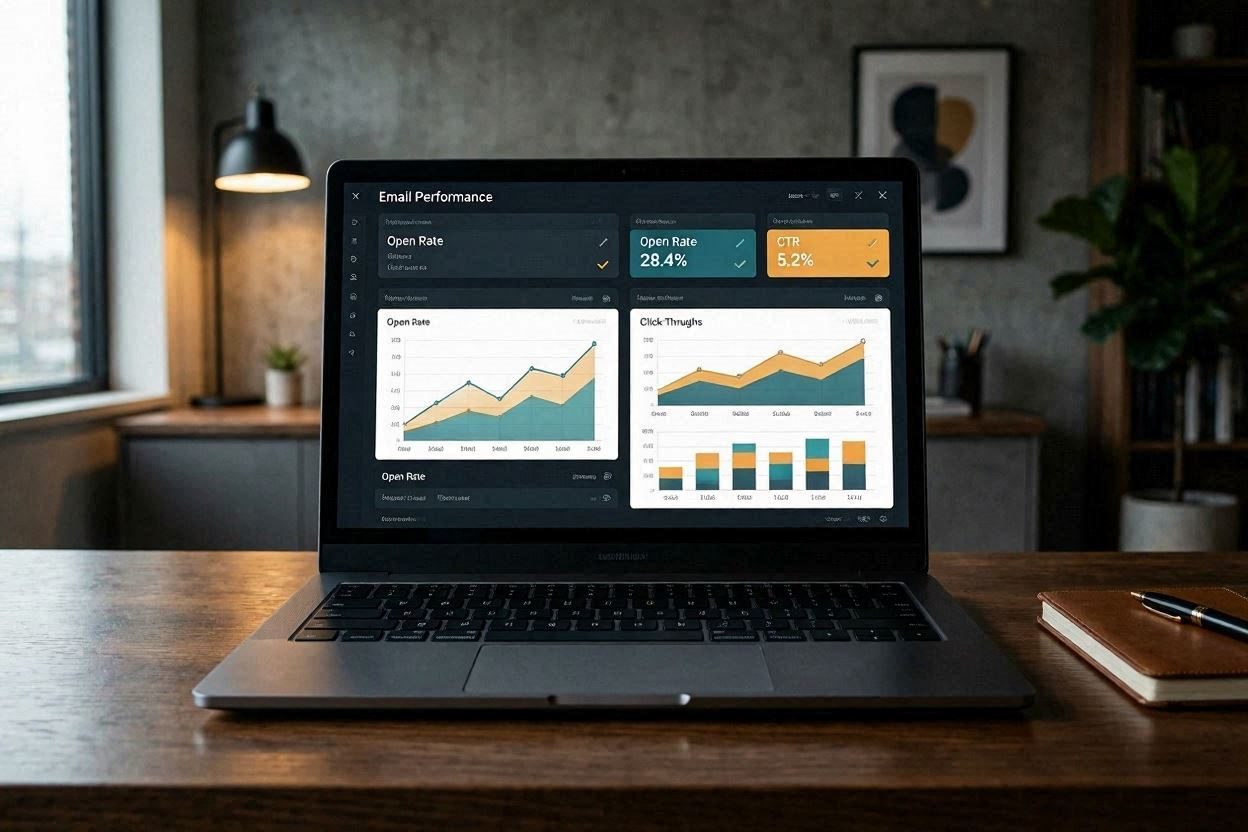
- Open Rate Optimization: By utilizing curiosity-driven subject lines and “cliffhanger” endings, you ensure your open rates remain significantly higher than industry averages.
- Automated Rapport: You can build a 10-year relationship with a subscriber in just 5 days by revealing your authentic journey, struggles, and ultimate solutions.
- Platform Integration: Use robust platforms like Kit or GetResponse to ensure your sequence is delivered reliably to every new lead who enters your funnel.
What is a Soap Opera Email Sequence?
A soap opera email sequence is an automated series of emails sent to a new subscriber immediately after they opt-in to your list. The philosophy is derived from television soap operas: each episode (email) ends with a “cliffhanger” or a strong curiosity hook that compels the viewer (subscriber) to open the next installment.
Most marketers make the mistake of sending a generic “Welcome” email followed by a direct sales pitch. This creates immediate buyer resistance. A soap opera sequence does the exact opposite. It moves the subscriber through a journey of realization, teaching them to trust you as an expert guide before you ever ask them to spend money.
[EXTERNAL LINK: The Psychology of Storytelling in Email Marketing]
The 5-Stage Framework for Maximum Conversions
To master the soap opera email sequence, you must adhere to a proven structure. Each of these five stages serves a specific purpose in the customer journey.
1. The Backstory (Setting the Stage)
In your first email, you aren’t selling. You are introducing yourself, your mission, and the journey you have taken. You must establish common ground with your reader by revealing your own struggles. Were you once trapped in a soul-crushing 9-to-5 job? Did you hit rock bottom financially? Reveal the “before” version of yourself. This builds immense empathy and tells the subscriber, “I am just like you, and I have found a better way.”
2. The Epiphany (The Lightbulb Moment)
In the second email, you share the exact moment your world changed. This is the “Aha!” moment where you discovered the core mechanism or product that solved your problem. This stage is crucial because it positions your chosen affiliate product as the “hero” of the story. You aren’t just pitching a tool; you are sharing a breakthrough.
3. The Hidden Benefits (Deep Dive)
Now that you have the reader’s attention, you begin to provide value. The third email focuses on the hidden benefits of your solution that the average person never considers. If you are promoting a fitness program, don’t just talk about weight loss; talk about the increase in mental clarity and energy that comes from being fit. If you are promoting a SaaS tool, talk about the hours of time saved that can now be spent with family.
4. The Urgency (The “Why Now?” Phase)
The fourth email is where you introduce reality. You explain why the subscriber needs to take action today. Is the offer about to expire? Is there a temporary price reduction? Does the problem they are facing (e.g., lack of skills, poor health) only get worse if left unaddressed? This is your first direct, high-intent move toward the sale.
5. The Final Call (The Closing Shift)
The final stage is the ultimatum. You remind the subscriber of the benefits, you reiterate the urgency, and you provide a crystal-clear link to the offer. This is not the time to be shy. Tell them exactly what to do, why they should do it, and what happens if they miss out.
[IMAGE PLACEHOLDER: A flowchart showing the five stages of a soap opera email sequence: Backstory, Epiphany, Hidden Benefits, Urgency, Final Call + Alt Text: Diagram of the 5-stage soap opera email sequence framework.]
Technical Assembly: Automating Your Story
The true power of a soap opera email sequence is its “set it and forget it” nature. Once you write these five emails, you load them into your email service provider (ESP) and let them run on autopilot for years.
When a visitor lands on your site and enters their email, the ESP automatically triggers the first message. You don’t need to be online, you don’t need to be drafting new content, and you don’t need to manage manual broadcasts.
Essential Tooling for 2026
To execute this effectively, avoid using clunky, free platforms that lead to your emails ending up in the spam folder. You need professional-grade automation.
- Email Automation Platform: Use Kit (formerly ConvertKit) or GetResponse. These tools are built specifically for automated sequences and offer excellent deliverability rates for affiliate marketers.
- Funnel Builders: Platforms like Systeme.io or ClickFunnels allow you to trigger the email sequence the moment a lead completes your form.
- Affiliate Tracking: Use a link rotator like ClickMagick to ensure your clicks are being tracked across all five emails, allowing you to see exactly which stage of the “story” is generating the most commissions.
[INTERNAL LINK: Related Post: How to Optimize Your Email Subject Lines for 50%+ Open Rates]
The Permanent Fix: Scaling Your Automated Assets
Once your soap opera email sequence is live, your focus must shift from “building” to “optimizing.” The most successful marketers don’t stop at one sequence; they create multiple versions and A/B test their subject lines to see which storylines generate the highest affiliate payouts.
For the “Permanent Fix” to your revenue generation, you should consider integrating professional SaaS tools that increase the value of each subscriber.
- Data-Driven Decisions: Use PartnerStack to find high-ticket affiliate programs that offer recurring monthly commissions. If your soap opera sequence is already building trust, you might as well promote software that pays you every single month.
- Visual Compression: Incorporate the graphics you created using the Visual Sales Compression Method directly into your emails. By placing a high-converting graphic at the end of every email, you provide a visual shortcut for users who are ready to buy now.
By scaling your sequences and continuously testing new hooks, you transform your email list from a static database into a living, breathing asset that produces high-ticket affiliate revenue 24/7.
Strategic Critique: Stress-Testing the Concept
What are the problems with this idea that we are not seeing? The most significant problem with a soap opera email sequence is the “fatigue factor.” If your emails are too long-winded, overly dramatic, or fail to deliver actual value, subscribers will quickly label you as a spammer. A sequence that works perfectly in January might stop converting in July if the product market changes or if your audience grows weary of the same storytelling tropes. There is a fine line between a “cliffhanger” and “gimmicky bait-and-switch,” and beginners often cross it by misleading their readers with clickbait subject lines that don’t match the email content.
What assumptions are we making that might not be true? We are assuming that your subscribers actually want to read five days of storytelling. In 2026, many digital users are increasingly time-poor and demand “immediate gratification.” We assume that the sequence will provide enough rapport to overcome the inherent skepticism of a cold lead. If your backstory does not genuinely resonate with their pain points, the entire sequence will fail regardless of how well the “cliffhangers” are constructed. We also assume that your emails have a high deliverability rate; if you are using a poor ESP or a low-reputation domain, your soap opera sequence will land in the “Promotions” or “Spam” folder before the story even begins.
If this idea failed, what would be the most likely reason? The most likely reason for failure is a mismatch between the story and the offer. If your five-part soap opera sequence builds deep emotional rapport around one topic (e.g., losing weight), but your final call to action is for an unrelated product (e.g., a software tool), the conversion rate will be essentially zero. The sequence must be a continuous, logical thread. If the “Epiphany” doesn’t lead directly to the “Solution,” the subscriber feels betrayed by the narrative shift, unsubscribes, and blocks your sender address immediately.